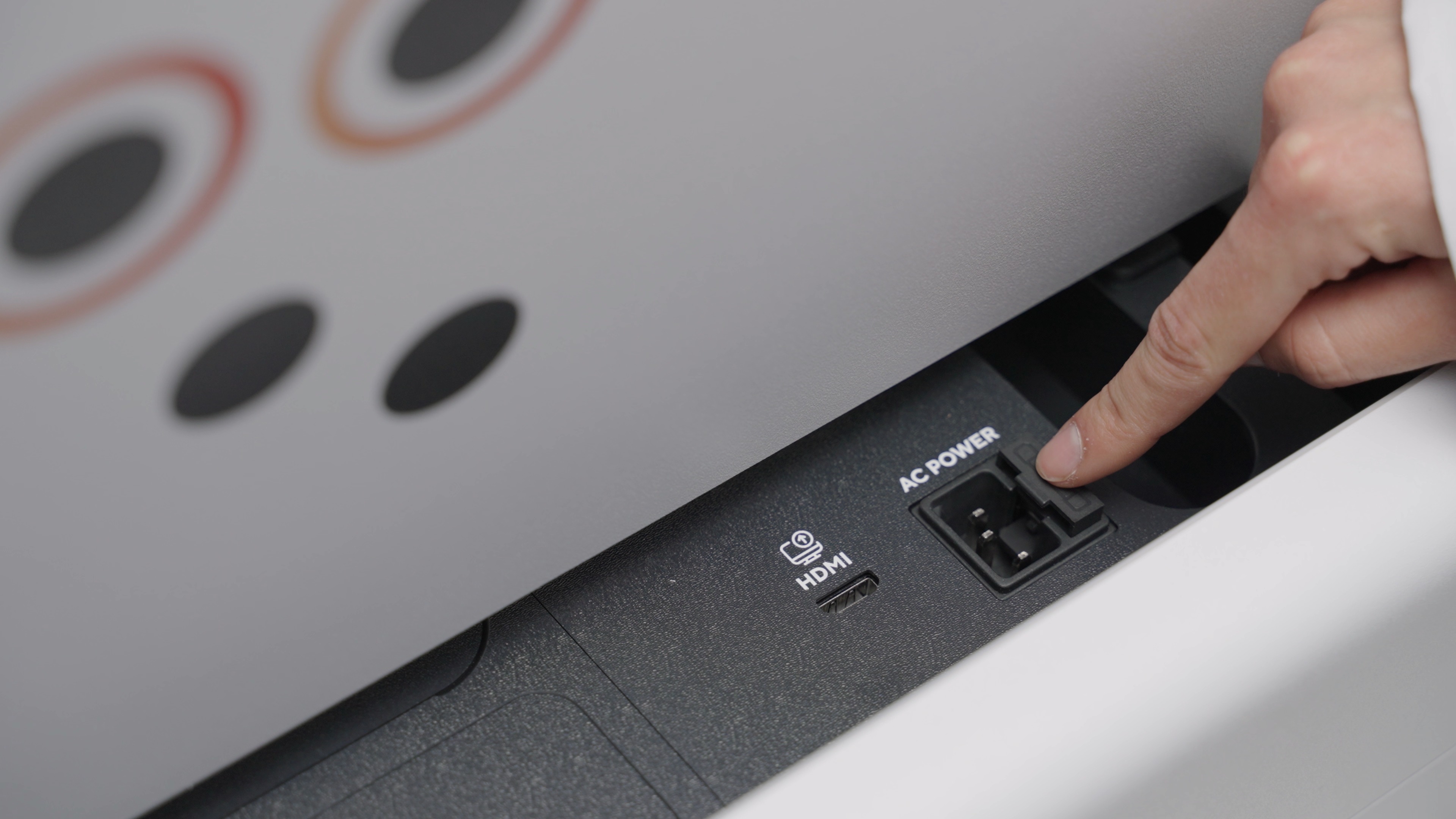
- The PIC system is a sensitive medical device. In order to protect its electronics from power surges, it has a fuse installed at its AC power connector.
- Fuses are single-use, inexpensive safety devices that protect electrical circuits from the effects of excessive electric currents.
- In case of a power surge, a fuse will melt to stop the excessive current from reaching the electronics of the PIC system and potentially damaging the system. It then has to be replaced with a new fuse, as the system will not turn on with a blown (broken) fuse.
- A power surge may happen in many situations, such as during or right after power outages, or due to unpredictable factors affecting the stability of the electricity supply such as thunderstorms.
How to identify a fuse state
If your PIC system is not turning on after plugging it to AC power, the most probable reason is that its fuse was blown and needs replacement.
To identify if your PIC system's fuse is operational or blown, first remove it from the system following the steps at the end of this article.
Then, hold it against a source of light that allows you to see inside its transparent part.
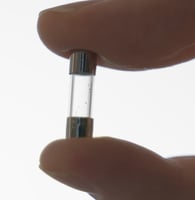
Blown (broken) fuse
No wire connecting both sides of the fuse is visible. There may be some debris that appear as little dots or metal pieces inside the glass.
In this case, the fuse needs to be replaced with a new, intact fuse
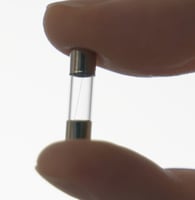
Operational fuse
A straight, thin wire connecting both sides of the fuse is clearly visible, with no debris.
In this case, the fuse is operational.
Fuse types
There are two different types of fuses compatible with the PIC system.
The type of fuse is dependent on the voltage of the country you live in:
- In countries with 220v/240v voltage, the type of fuse is 3A (amps).
- In counties with 110v/120v voltage, the type of fuse is 6A (amps).
PIC system includes a replacement fuse. Additional replacement fuses can be purchased at most hardware or electrical stores.
Steps to change the fuse
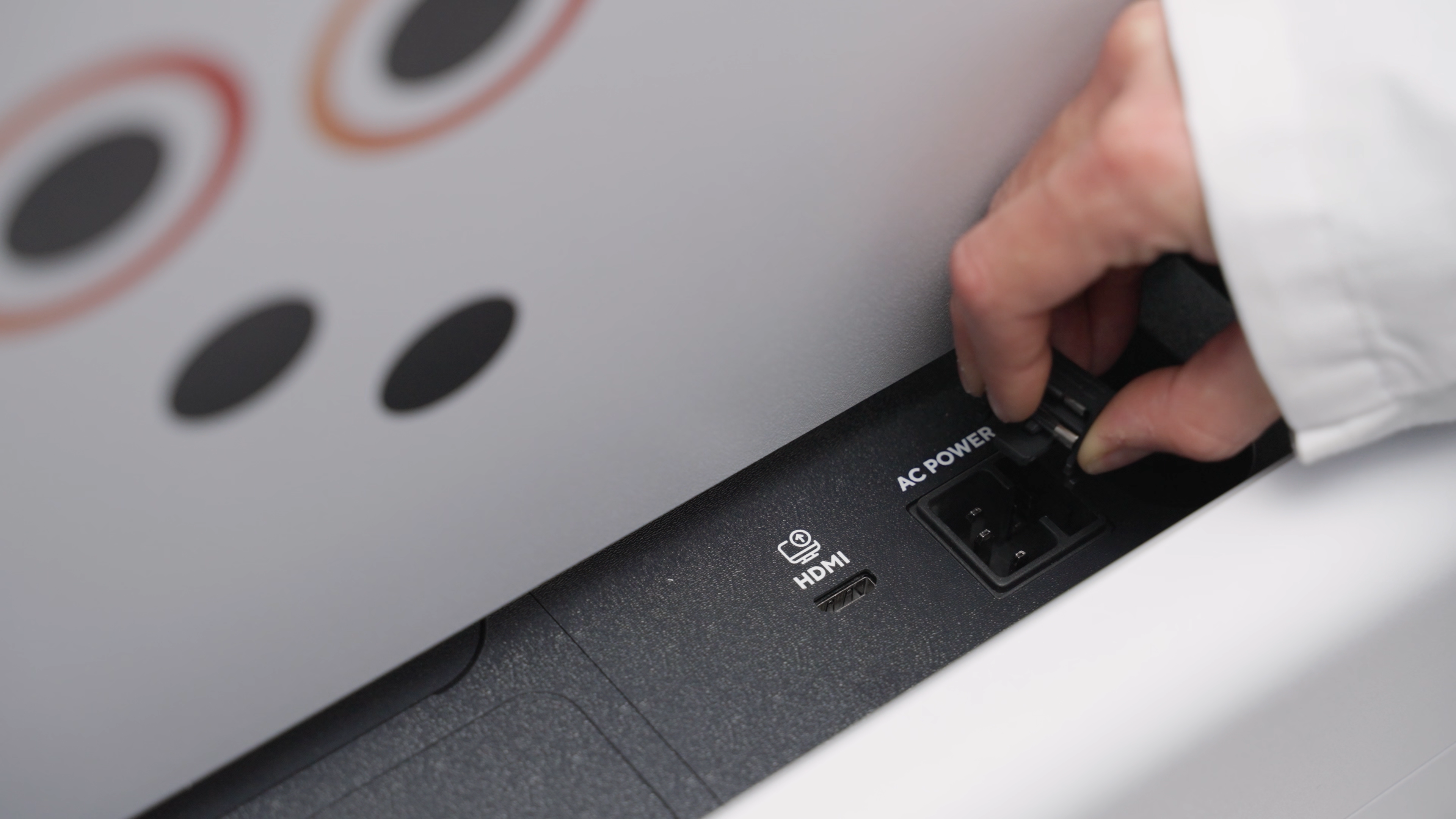
- The fuse can be located on the back side of the PIC system. The fuse compartment is located right at the bottom edge of the AC connector.
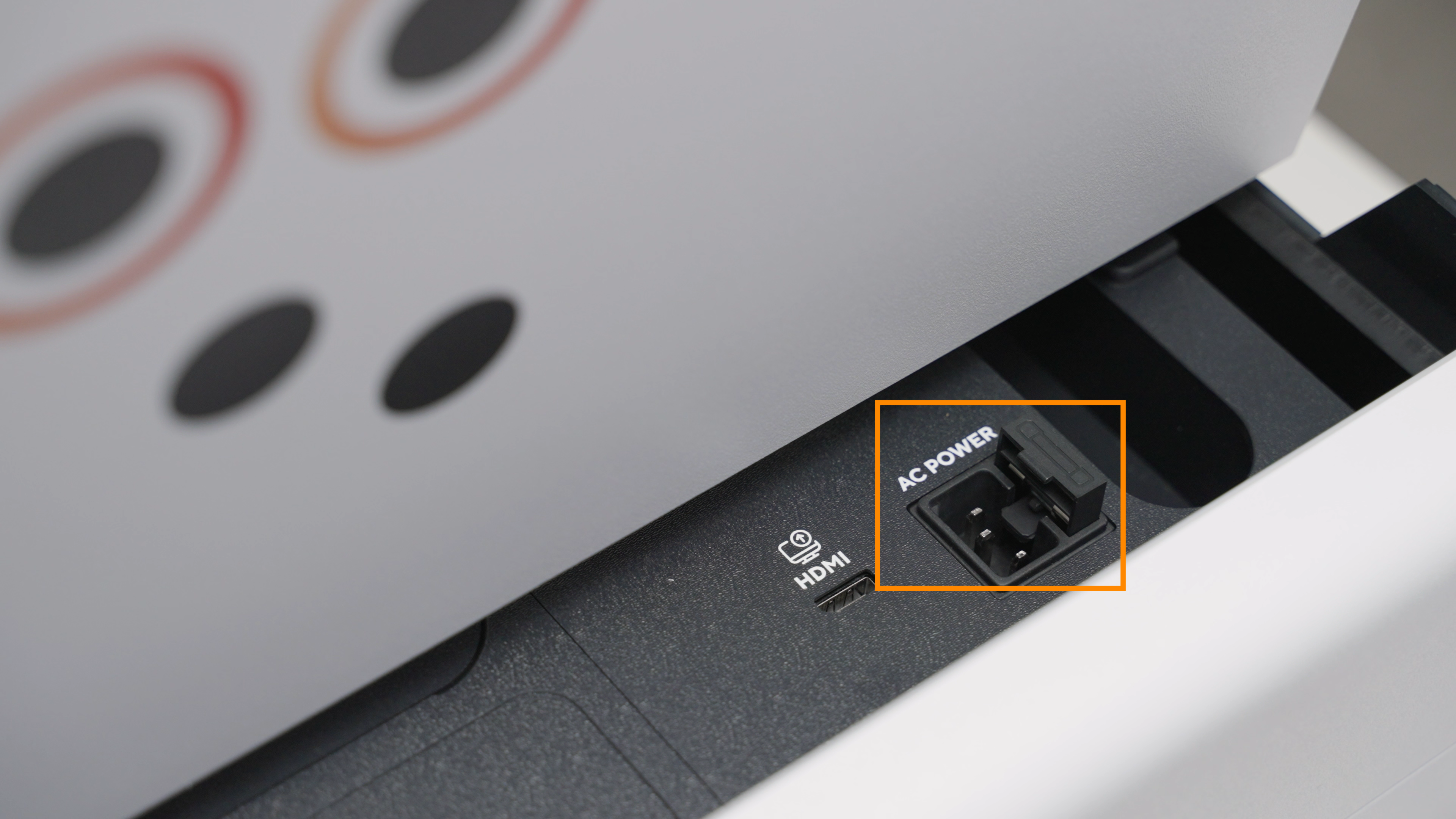
- To remove the fuse compartment, press down on the top side of the compartment (the bottom side of the AC connector) to detach it. Then, pull the compartment out fully by grabbing the sides, and keeping one finger in front of the compartment to ensure no fuses fall out.
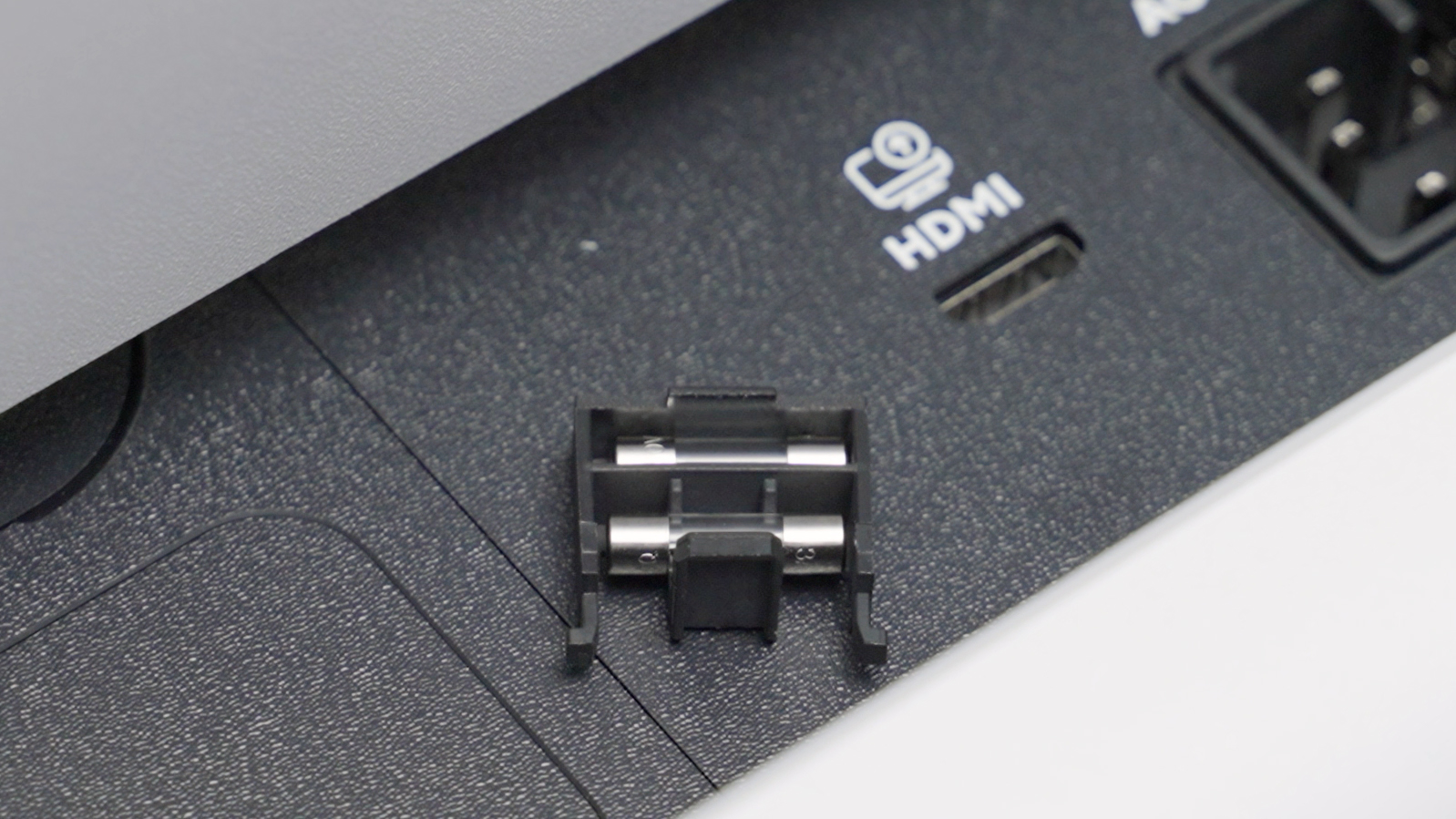
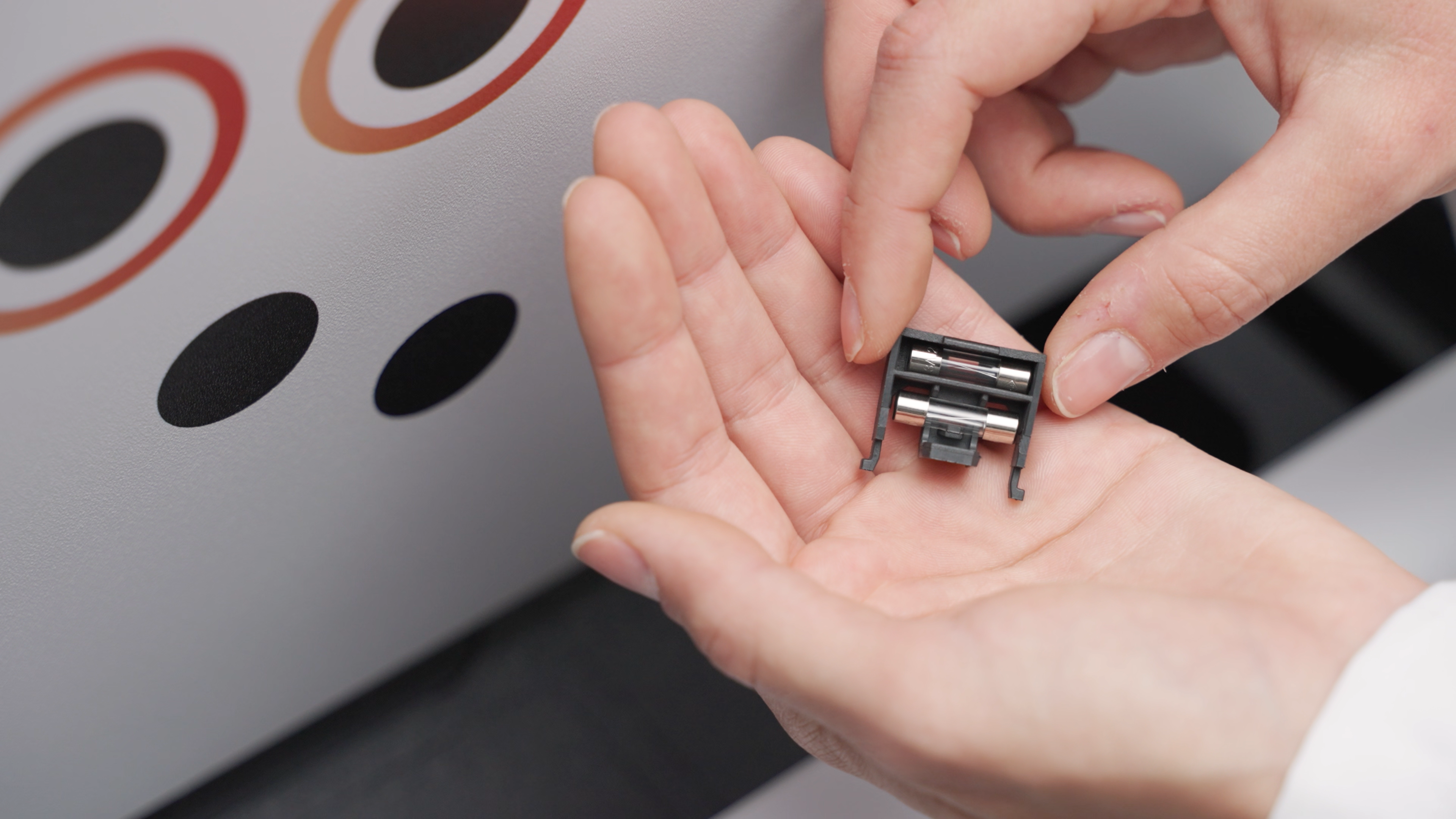
The fuse compartment holds up to two individual fuses:
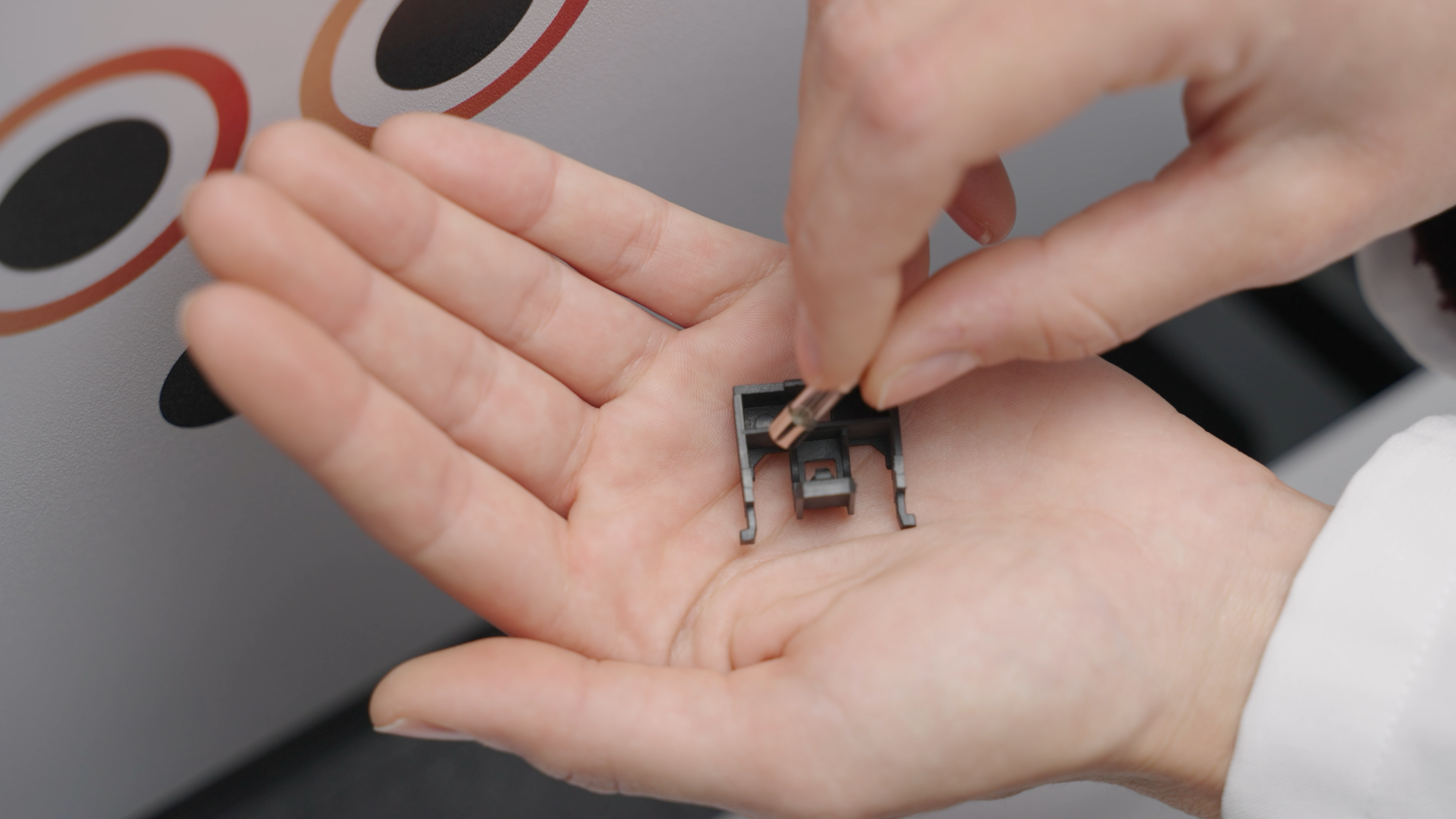
- The bottom compartment (as displayed in the photo below), contains the currently installed fuse. This is the fuse that protects the circuitry of the PIC system.
- The top compartment (as displayed in the photo below) is a storage compartment for a backup fuse. It is not connected to the electrical circuit of the system. You may place a spare new fuse in this compartment to have a replacement at hand.
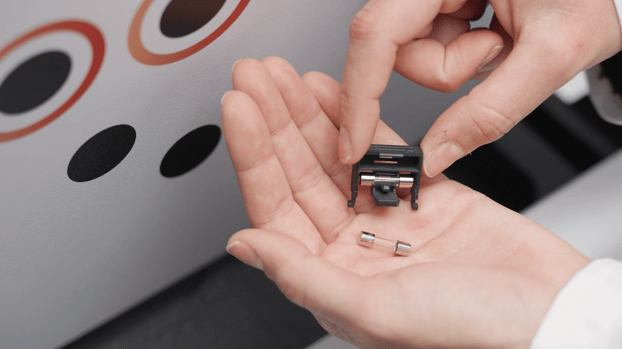
- To release the backup fuse (in case you are going to use it as a replacement) rotate the compartment until it falls out as it is not secured in.
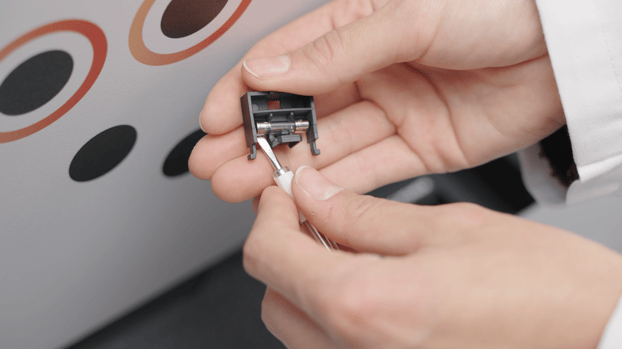
- To release the currently installed fuse, use a tool with a thin and solid endpoint, such as a screwdriver, and push the fuse out by carefully applying pressure on one of its sides as displayed in the photo below.
- After removing the currently installed fuse, insert the new, operational fuse into the bottom compartment by pressing it in.
- You may add a new, operational fuse into the top storage compartment as a backup to speed up a future replacement.
- To install the fuse compartment back into the PIC system, hold it by its sides and insert it into the empty space below the AC connector. Push it in fully.