
The PIC system is designed to guarantee precise implants capture regardless of factors such as the operator's experience or technique.
PIC suite analyzes the measurement data after each capture before it's saved as a PIC file. It detects any inconsistencies and deviations, for example, if a PIC transfer has accidentally moved during capture.
If the measurement data contains deviations over the PIC system's precision threshold, the capture will not be saved and the "Imprecision detected" dialog will appear instead. The dialog provides an interactive guide outlining the most common causes of imprecision.
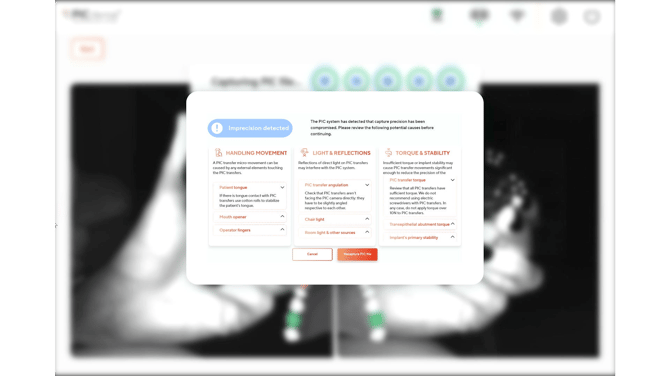
To address the issue, verify each of the causes before repeating the capture.
The articles below provide more information and examples of each category:
Handling movement
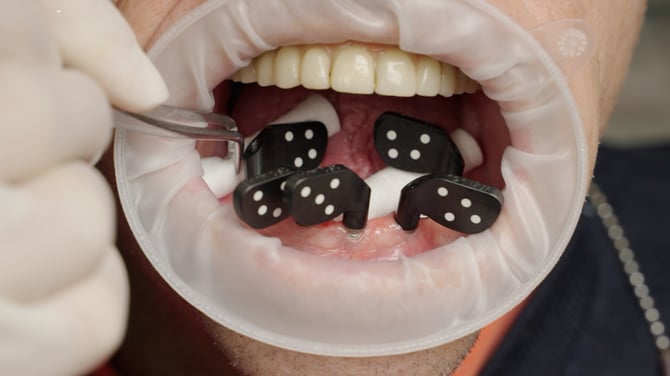
A PIC transfer micro-movement can be caused by any external elements touching the PIC transfers, such as:
- Patient tongue
- Mouth openers
- Operators fingers
Lights & Reflections
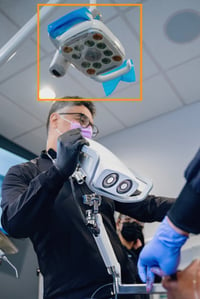
Reflections of harsh and direct light sources on the PIC transfers can interfere with the PIC system:
- PIC transfer angulation
- Chair light
- Room light and other sources
Torque & Stability
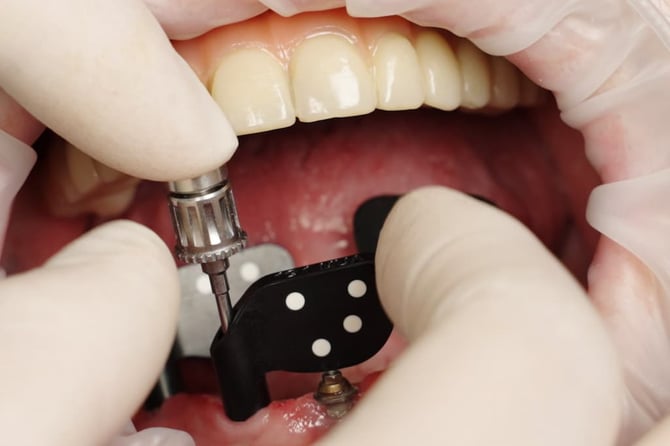
Insufficient torque or implant stability may cause PIC transfer movements that are significant enough to reduce the precision of the capture, due to factors such as:
- PIC transfers torque
- Transepithelial abutment torque
- Implant's primary stability